

I mention several cipher systems in The Enigma Challenge, and one of my favorites is the pigpen cipher. This is a type of substitution cipher, where there’s a direct symbol substituted for a letter. Here is the key:
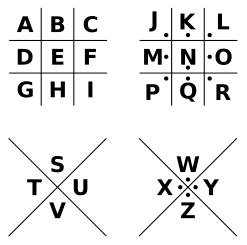
As you can see, each letter is represented by where it falls on the grid.
So, the letter A is:

Here’s a code whose plaintext is “How soon is now,” which happened to be the song by The Smiths that I was listening to when I wrote this post.

Sometimes you’ll Pigpen referred to as a masonic or Freemason’s cipher.
Disadvantages
If you’re truly trying to be secretive, the pigpen cipher is maybe not the best bet because the key is easy to find and remember. I think of it as a lighter cipher system. The other issue with it is that it’s extremely recognizable owing to its block shapes. So probably not the best choice if you’re trying to send state secrets to spies.
However! There are variations of this cipher, moving the dots around or doubling them up. That can make it much harder to guess, but my guess is you can probably crack it if you know the general format.
Try it
You can use an online generator to write pigpen code if you want to, like Boxentriq or Dcode, which I like.

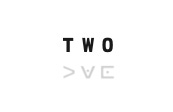
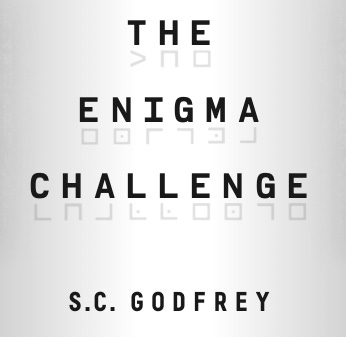
One of the things I absolutely adored that the interior designer did for The Enigma Challenge is that they used Pigpen for each chapter header.
Look at this chapter two heading:
And the title page:
I know we probably aren’t using pigpen cipher for anything these days, but what would you use it for, if you had the time? Let me know in the comments. Preferably not in pigpen. 😂
Love this!! I'm totally intrigued by The Enigma Files and look forward to seeing in on the shelves!
The pigpen cipher was used in "The Hallmarked Man" by R. Galbraith. I never heard about it before the book. I would use the cipher to comment on one insane orange man.